Before we talk about cameras, concepts, or budgets… we need to talk about the brief.
A video project lives or dies by how it starts. And in our experience producing content for hotels, brands, and corporations across Bali and beyond, the single biggest reason a project runs into trouble is not the execution.
It’s the foundation.
37% of projects fail because of unclear goals and objectives. That number is not specific to video. But it fits perfectly.
Most brands come to us excited.
They have a rough idea.
They want something that “looks cinematic” or “feels premium.” And we get it.
That excitement is real. But excitement is not a brief.
A good brief is what turns that excitement into something we can actually build.
This is not a list of mistakes you’re making. It’s a guide to what we genuinely need from you before we can do our best work together.
1. Start With One Clear Objective
The first thing we ask every client is simple.
“What is this video for?”
Not what it should look like. What it should do.
There is a big difference between a video made for sales, a video made for internal use, a video made for paid ads, and a video made for a company profile.
Each one has a different structure, a different tone, a different length, and a different measure of success.
80% of project failures are attributed to poor communication , and in video production, that almost always starts with a misaligned objective.
If you come to us with a clear goal, we can set the right approach from day one. We can recommend the right format, the right length, the right platform.
We can write a concept that actually serves what you need.
If you’re not sure yet, that’s fine too. Tell us that. We can help you work it out. But we need to work through it together before the camera turns on.Some questions worth asking yourself before the brief:
- Who is watching this?
- Where will they see it?
- What do you want them to think, feel, or do after watching it?
- Is this video meant to generate leads, build awareness, or communicate something internally?
- Is there a metric you’ll use to know if it worked?
The more specific your answers, the stronger the final output.
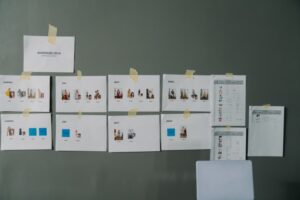 Wardrobe Deck, Moodboard, and Schedule for Production. Photo: Berry Juansyah
2. Tell Us About the Issues. All of Them.
This one matters more than most clients expect.
Before we shoot anything, we need to know if there is anything on your end that could affect the production. And we mean anything. Not just the obvious logistical things. The uncomfortable things too.
We have seen this go wrong more times than we’d like.
- A brand books a shoot for a building that turns out to not be finished yet.
- A company asks us to film an event that, behind the scenes, is not performing well.
- A product video is commissioned for something that turns out to have regulatory issues in certain markets.
These are real scenarios. And they all create real problems on set, in post, and after delivery.
The more upfront you are about your situation, the better we can help you navigate it.
Maybe we can adjust the shot list. Maybe we reframe the concept. Maybe we advise against certain angles or messaging. But none of that is possible if we walk into a shoot blind.
Think of it this way: we are on your team. We want this to work as much as you do. But we can only protect the project if we know what we are working with.
Tell us early. It will save everyone a lot of time and money.
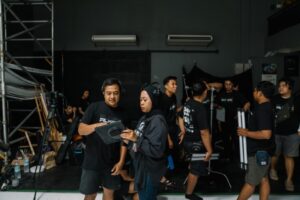 Film Roxx on Set. Photo: Berry Juansyah
3. Share Your Brand Guidelines
If you have brand guidelines, please please please share them. Of course, we shall sign any NDA needed to protect the privacy.
This sounds basic. But you would be surprised how often we receive a brief with no visual reference, no colour palette, no typography direction, and no tone of voice guidance. And then receive feedback after delivery saying the video “doesn’t feel on brand.”
Brand guidelines are not just a design document. They tell us where the limits are. What colours are allowed. What fonts can appear on screen. What tone of voice the brand speaks in. What kinds of imagery are consistent with the brand identity. What to avoid.
Brand visibility is 3.5 times higher for brands with consistent visual presentation. That consistency doesn’t happen by accident. It happens because every piece of content is made within a defined system.
If you have a do and don’t list, share it. If you have past campaigns you love or hate, share those too. If you have a specific visual reference that inspired the project, drop it in. All of it helps us understand the size and shape of what we’re building.
And if you don’t have brand guidelines yet… that’s actually useful information too. It tells us you have more creative freedom, and we can help you find a direction that feels right.
4. Be Honest About Your Constraints
Every project has limits.
Budget, timeline, access, location, team size.
We are used to working within constraints. That’s part of the job.
But we need to know what they are upfront.
If there is a hard delivery deadline, we need to know from day one so we can plan the production and post-production schedule accordingly. If the shoot location has restricted access or specific shooting windows, we need that information before we write the concept. If there is a budget ceiling, we need to know so we can recommend the right scope and not build a proposal that doesn’t work for you.
The average project cost overrun is 27%. In video production, most of that overrun comes from scope changes that happen mid-project because something wasn’t flagged early enough.
Constraints are not embarrassing. They are just parameters. And good production teams work within parameters every day. Tell us yours honestly, and we will build a plan that actually fits.
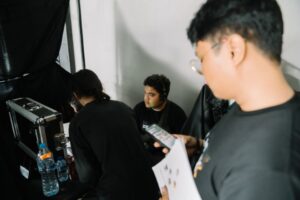 Producer is reviewing the footage. Photo: Berry Juansyah
5. Tell Us What You’re Worried About
This might be the most underused part of any brief.
Most clients focus on what they want. Few clients share what they are afraid of. But that information is just as useful.
Are you worried the video will be too abstract for your stakeholders? Tell us.
Are you concerned the tone might come across wrong for a particular market? Tell us.
Is there a previous video you made that didn’t land the way you hoped? Tell us what went wrong.
When we know what’s keeping you up at night about a project, we can address it directly in the concept, the treatment, or the production plan. We can build in more check-in points. We can make sure the final output doesn’t have any of the things that made the last one feel off.
The brief is not just a wish list. It is a conversation. And the more honestly it happens, the better the outcome for everyone involved.
What a Good Brief Actually Looks Like
To bring it all together, a strong brief gives us:
- A clear objective — what the video is for, who it is for, and where it will live.
- Any known challenges on your side — location issues, legal considerations, internal pressures, anything that might affect the project.
- Brand guidelines or visual references — so we understand the creative system we are working in.
- Your constraints — budget, timeline, access, anything that shapes what’s possible.
- Your concerns — what you’re worried about, what you want to avoid, what didn’t work before.
That’s it! It doesn’t need to be a 20-page document.
A clear, honest conversation covers most of it. And when that conversation happens before we start, the whole project moves better.
Faster decisions. Fewer revisions. A final product that actually does what it was supposed to do.
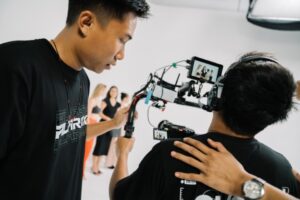 Film Roxx on set of Production. Photo: Berry Juansyah
One Last Thing
The best client relationships we have are with people who treat the brief as a real conversation, not a transaction.
They tell us what they need. They tell us what’s complicated. They trust us with the full picture. And because of that, we can bring the full weight of our experience to the project.
That’s when the work gets good.
Not just technically good. Genuinely good. The kind of video that does what it was made to do, looks like it belongs to the brand, and still feels worth watching three years later.
If you’re thinking about a video project and you’re not sure where to start, start with the brief. And if you need help building one, we’re happy to work through it together.